Roles
Patrol, detection and dual-purpose dogs
Different work needs different dogs. Define the role before comparing any offer.
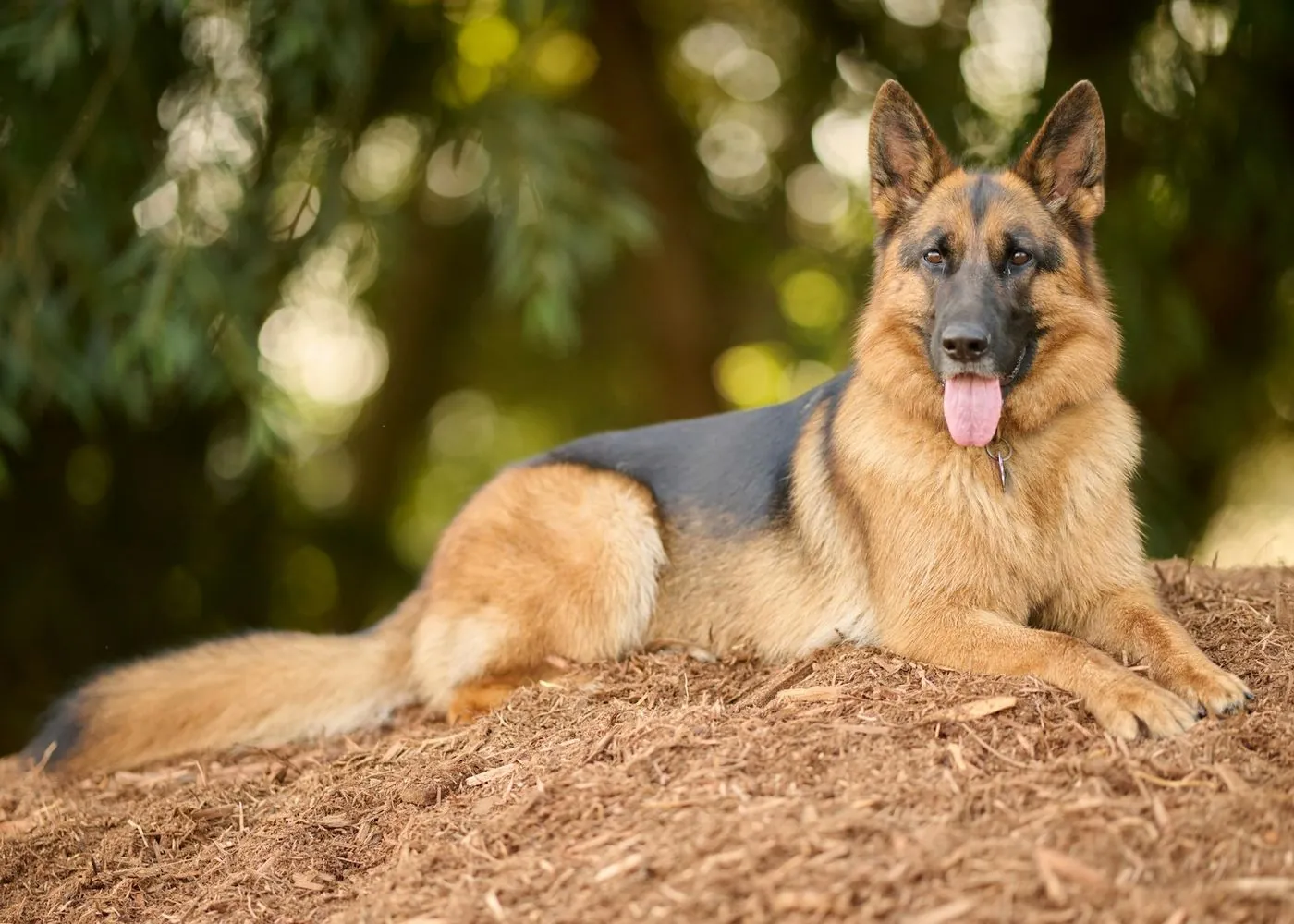
The main roles
- Patrol: tracking, searching and apprehension work under handler control.
- Detection: locating a target odor such as narcotics or explosives. Associations certify these separately from patrol.
- Dual-purpose: patrol and detection in one dog. The vendor article on Police1 notes that both green and trained dogs can be single-purpose or dual-purpose.
Why dual-purpose is a judgment call
A dual-purpose dog saves an agency a team, but it must keep two skill sets sharp and a handler must train both. Whether that trade-off suits a unit depends on caseload, policy and handler time. A professional who knows the agency is better placed to advise than a website.
Breeds in a federal detection program
The Transportation Security Administration says it provides and trains the dogs for its canine teams and lists seven breeds in the program: German Shepherds, Labrador Retrievers, German Short-haired Pointers, Wirehaired Pointers, Vizslas, Belgian Malinois and Golden Retrievers. The list shows that detection work draws on several breeds, not only the shepherd types people picture.
Questions to settle before looking at dogs
- What tasks must the dog perform, and in what environment?
- Which certifications will the agency or client require?
- Who will handle the dog every day, and for how long?
- What kennel, vehicle and veterinary arrangements exist?
If you run a security business rather than an agency, read the private buyer page.
Quick answers
Which breed is used for police work?
Several. The TSA list above shows how varied detection programs are.
Can a dog be trained for both roles later?
Possibly, but a professional should assess the dog first.
Need to speak with someone in the field?
Describe your agency, company or situation. K9PN will refer the request to an independent professional or program covering your region.